Rainy Day Activities in Tekapo
Rainy day things to do in Tekapo: hot pools, saunas and an indoor astronomy show for cloudy days. Book online with Experience Oz.
Top experiences
4 experiences found
All filters


Tekapo
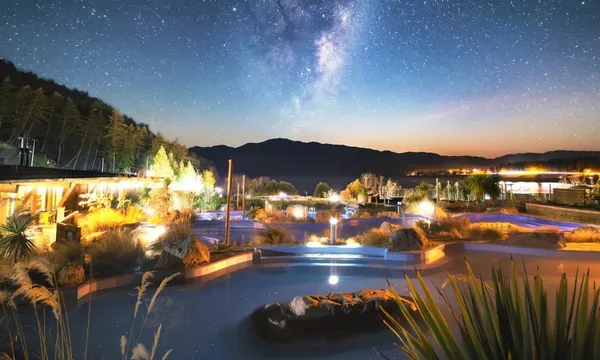
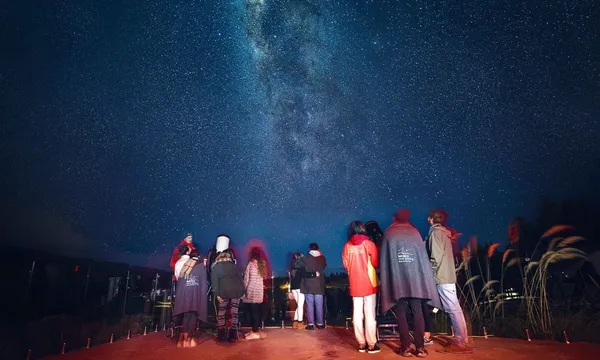
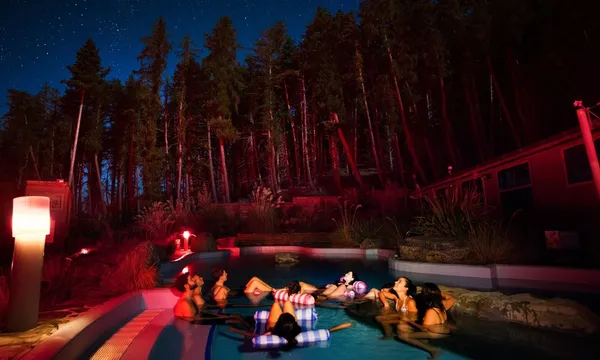
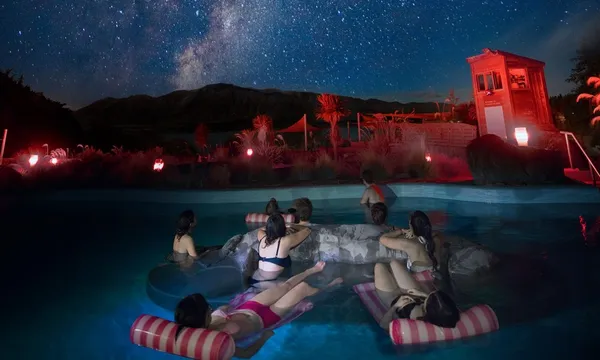
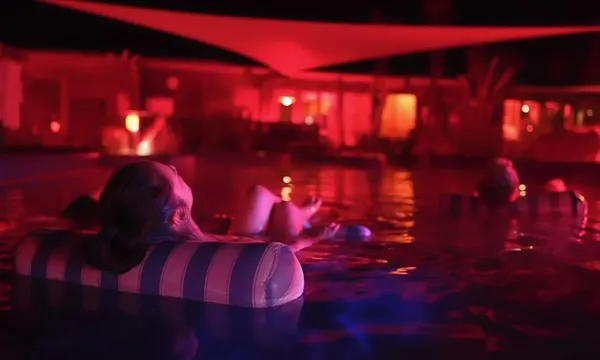
Tekapo Springs Stargazing Tour - 1.5 Hours






Discover Rainy Days
Rainy day things to do in Tekapo are mostly warm and indoors, from soaks by the lake to an astronomy show that doesn't need a clear sky. Cloud hides the lake and the stars, but it leaves plenty of the wider things to do in Tekapo running.
Indoor astronomy when cloud covers the sky
Tekapo sits inside the Aoraki Mackenzie International Dark Sky Reserve, designated in 2012 and covering 4,367 square kilometres, so astronomy is the village's trade even when the sky is cloudy. An indoor daytime experience such as the indoor Dark Sky Experience tells the story of the night sky with a multi-media show instead of a telescope.
Outdoor stargazing is the opposite, because it needs clear skies. Operators plan for cloud with refunds, rescheduling or an indoor session, so a wet evening doesn't have to be a lost one. Some tours pair the sky with warm water, as the stargazing tour that includes a soak in a private hot pool does, which makes a clearing evening worth waiting for.
Warm soaks while it rains in Tekapo
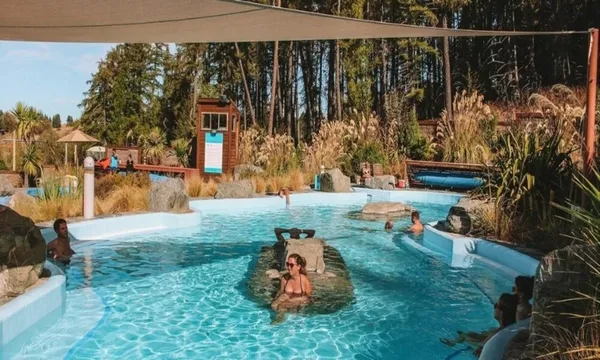
Soaking while it rains is the classic wet-weather move in Tekapo. The hot pools sit 720m above sea level beside the lake, with three tiered pools between 36.5 and 38.5°C, each shaped after one of the region's lakes: Ohau, Pukaki and Tekapo. Hot pool entry also covers cooler pools and an Aqua Play Area at 28 to 32°C.
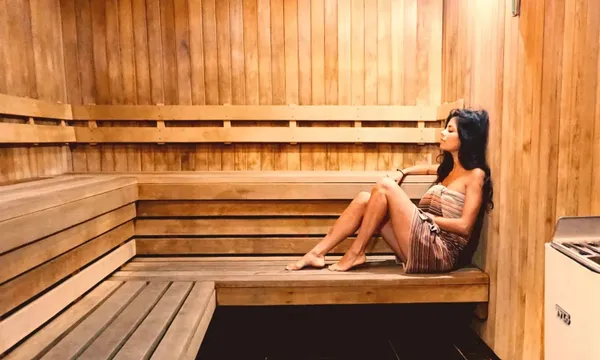
Heat treatments go further. A sauna, steam room and cold plunge, as in the hot pools with sauna, steam and plunge rooms, suit a cold wet afternoon.
Rainy days with kids in Tekapo
Wet paddocks limit what families can do outdoors, but the Aqua Play Area at the pools and the indoor astronomy show both suit children. Animal encounters near Tekapo are short, hands-on visits that can fit between showers, and things to do in Tekapo with kids has more ideas for a family day.
What the weather does to flights and tours
Weather affects Tekapo's outdoor bookings in different ways. Flights from Tekapo run to conditions: a scenic flight postponed or cancelled for weather can be rescheduled or refunded, and helicopter landings and flight paths are left to the pilot. A stargazing tour in Tekapo depends on cloud, and summit tours are cancelled for high winds, rain, ice or snow.
Checking the forecast the day before and keeping one flexible day in the itinerary is the simplest way to keep a trip on track.
Short stops in the village between showers
The Church of the Good Shepherd, built in 1935 as the first church in the Mackenzie Basin, is a short stop, and its altar window frames the lake and the mountains. The bronze New Zealand Collie sheepdog statue beside it honours the dog's part in local farming. More of the village is in Tekapo attractions.
Cold is the other half of a wet day here. July is Tekapo's coldest month, with a mean daily minimum of -2.8°C and a record low of -15.6°C, so layers, a hat and gloves make short outdoor stops easier.
Rainy day options around the South Island
Tekapo is a 3-hour drive from Christchurch and about an hour and a quarter from Aoraki Mount Cook, so a wet day can also be a driving day between stops. For wet days in other destinations, rainy day activities across Australia and New Zealand cover the rest of the country, and on drier days water sports in Tekapo put you on the lake and the canal.
Frequently asked questions
What can you do in Tekapo when it rains?
When it rains in Tekapo, warm and indoor options include soaking in hot pools, steam and sauna time and an indoor astronomy show. None of them depend on a clear sky.
Is there indoor stargazing in Tekapo?
Tekapo has an indoor astronomy experience built around a daytime multi-media show. It includes no telescope or stargazing, so it suits cloudy days, while real stargazing needs clear skies.
Do hot pools suit a cold wet day in Tekapo?
Hot pools suit a cold wet day in Tekapo because the water stays warm whatever the sky does. The main pools run between 36.5 and 38.5°C, 720m above sea level with views across Lake Tekapo to Mt Edward.
What happens to a Tekapo stargazing tour if it is cloudy or raining?
A cloudy or wet night can cancel a stargazing tour in Tekapo, and the response depends on the tour. Options include a full refund, a move to another night or an indoor session.
How cold does Tekapo get in winter?
Tekapo is coldest in July, when the mean daily minimum is -2.8°C. The record low is -15.6°C, so winter days call for layers, a hat and gloves.
A rainy day in Tekapo suits warm water by the lake and a different look at the night sky.

We acknowledge and pay respect to the Traditional Custodians of Country and their connections and continuous care for the skies, lands and waterways throughout Australia.