Rainy Day Activities in Wellington
Rainy day activities in Wellington: Wētā Workshop movie-making sessions, guided Te Papa tours and wet-weather plans for the rest of the day.
Top experiences
4 experiences found
All filters


Wellington
Creative Workshop - Intro to Scars and Scrapes







Wellington
Creative Workshop Intro To Sculpting - 1 Hour



Wellington
Te Papa Museum Art Narratives Guided Tour - 1 Hour
Discover Rainy Days
Rainy day activities in Wellington work best when they put a roof over the main event, such as a hands-on movie-making session or a morning in a gallery. Kelburn, the suburb at the top of the Cable Car, averages around 128 days a year with at least 1 mm of rain, so a wet-weather plan is worth having before you arrive. The wider things to do in Wellington fill in the gaps.
Movie-making workshops at Wētā Workshop
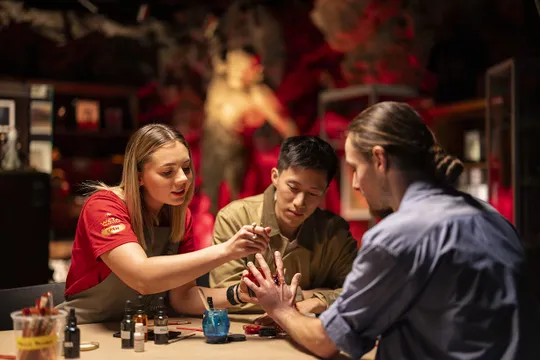
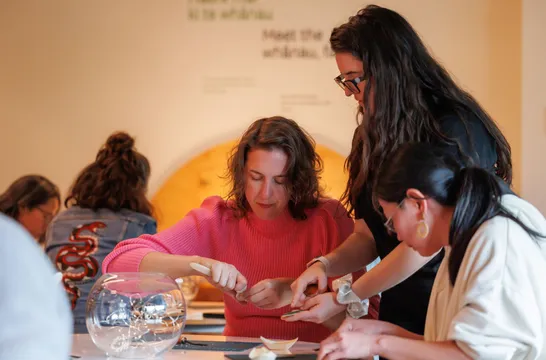
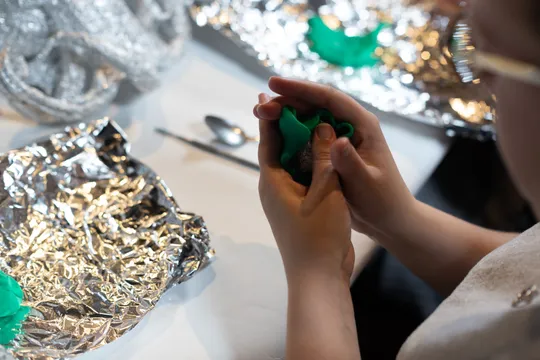
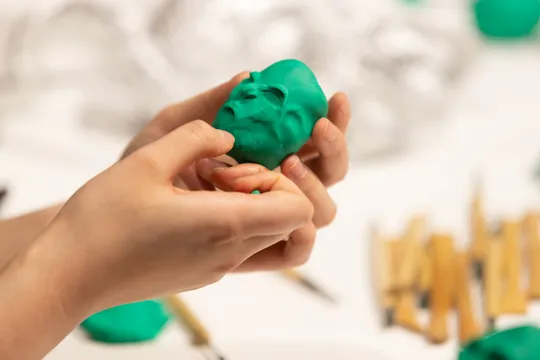
Wētā Workshop has been making things for film and TV since 1987, and its crew runs short hands-on sessions at 1 Weka Street. In a 1-hour sculpting workshop, you shape a creature from modelling tinfoil and plasticine and take it home. A 60-minute special-effects makeup workshop uses silicone gels, special effects makeup and movie blood to make lifelike scrapes and scars.
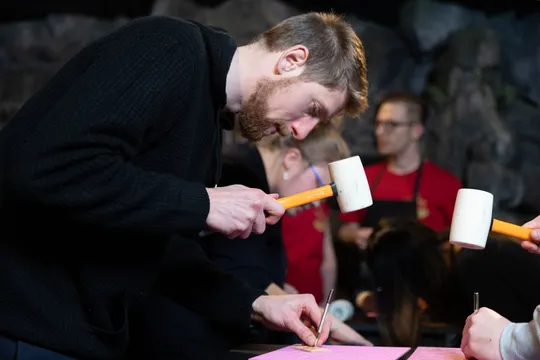
Leatherwork is the slower, craft-focused option. In the leatherwork workshop, you refine, design and dye a leather keepsake using techniques from Wētā Workshop's costume crew, with all tools and materials supplied. Groups are kept small, and the leatherwork and makeup sessions need no creative experience. Photography is not allowed in the tour spaces.
A guided gallery visit with a local host
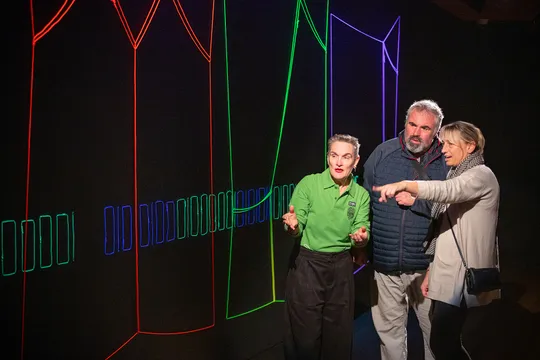
Te Papa, the Museum of New Zealand, is open daily from 10am to 6pm, and a guided tour makes a wet afternoon more focused. The art narratives tour at Toi Art runs every day at 1pm. It covers two levels of contemporary New Zealand art, from sculpture and moving images to a playable video game, and follows how artists have told stories about life in Aotearoa since the 1960s.
A Te Papa tour includes 48-hour general admission, so a second wet day can go on the other floors. The Gallipoli and Māori highlights tours work the same way, and they are listed with Wellington tours.
What Wellington's weather does to a plan
By rainfall, July is the wettest month at Kelburn on average, followed by May and August, and January is the sunniest. Wind is part of the picture too, since the city is exposed to winds through Cook Strait all year. On a forecast of heavy rain and wind, an indoor session with a fixed start time is the safer booking.
Outdoor trips on a wet forecast
Outdoor trips need a different plan. The Zealandia guided walk asks for sturdy footwear, layers and a waterproof jacket, and the cafe at the sanctuary is open from 9am to 4pm. Rain does change rafting, because the river's flow depends on rainfall and a trip may be cancelled or rescheduled for weather. The Wairarapa tours in Wellington food and drinks experiences include cellar door tastings and a vineyard lunch, although the Remutaka Summit is occasionally closed by snow or high winds.
Wet weather with kids
Workshops and museum tours give kids something to make and something to look at without a playground in sight. Things to do with kids in Wellington covers the wildlife and family-friendly options in more detail.
Frequently asked questions
What can you do in Wellington on a rainy day?
On a rainy day in Wellington you can join a hands-on workshop at Wētā Workshop, take a guided tour of Te Papa, or book a tasting tour with indoor stops. The Zealandia by Day guided walk asks visitors to bring a waterproof jacket and sturdy footwear.
How many rainy days does Wellington get?
Kelburn, the suburb at the top of the Wellington Cable Car, averages around 128 days a year with at least 1 mm of rain, according to NIWA's 1991 to 2020 climate normals. Wellington Airport records fewer, at around 113 a year.
Which month is wettest in Wellington?
July is the wettest month on average at Kelburn, followed by May and August. January is the sunniest month.
Is Te Papa open every day?
Te Papa is listed as open daily from 10am to 6pm. The art narratives guided tour runs at 1pm every day except Christmas Day, with 48-hour general admission included.
Are Wētā Workshop workshops suitable for rainy days?
Wētā Workshop runs sculpting, leatherwork and special-effects makeup workshops in small groups at 1 Weka Street in Wellington. The sculpting and makeup sessions each run for an hour, and the leatherwork and makeup sessions need no creative experience.
Does whitewater rafting run when it rains in Wellington?
Rafting on Te Awa Kairangi (Hutt River) depends on river flow, which depends on rain, so the operator may cancel or reschedule for weather conditions.
A wet forecast in Wellington is a good day for a workshop bench or a museum gallery, with a guide and a start time sorted in advance. Pick one indoor session, and book it before the weather turns.

We acknowledge and pay respect to the Traditional Custodians of Country and their connections and continuous care for the skies, lands and waterways throughout Australia.