Toowoomba Tours & Day Trips
Day tours from Toowoomba by heritage steam train, from a rail museum tour to full-day trips to Warwick and Pittsworth across the Darling Downs.
Top experiences
4 experiences found
All filters
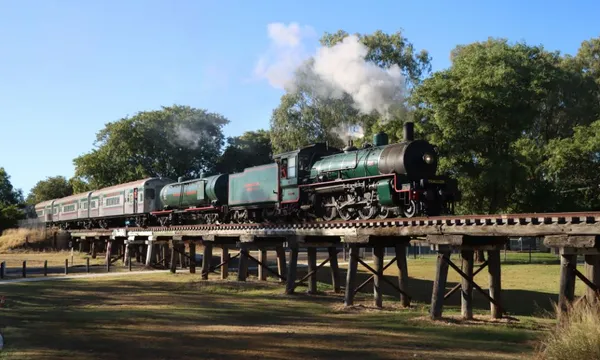
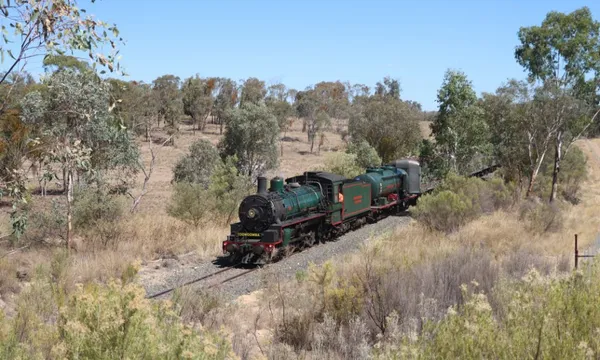
Toowoomba
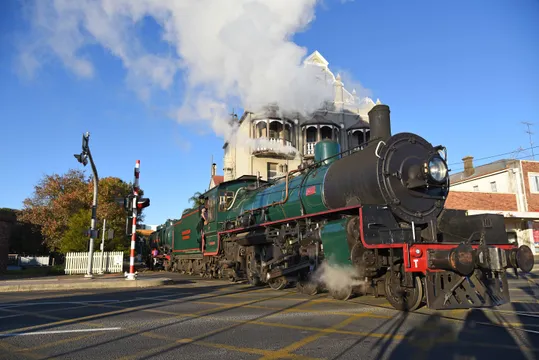
Darling Downs Father's Day Steam Train Tour
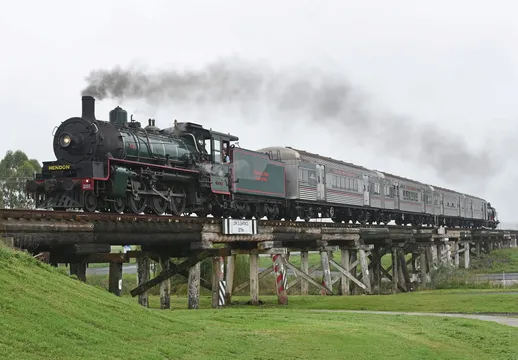
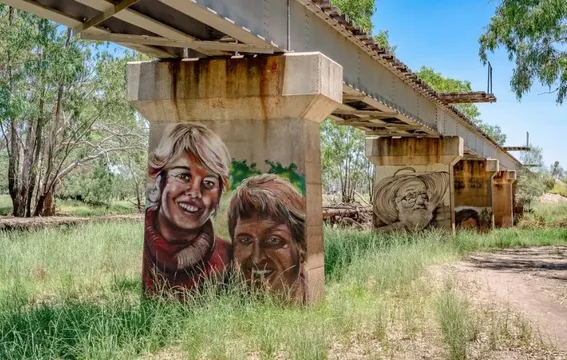
Toowoomba
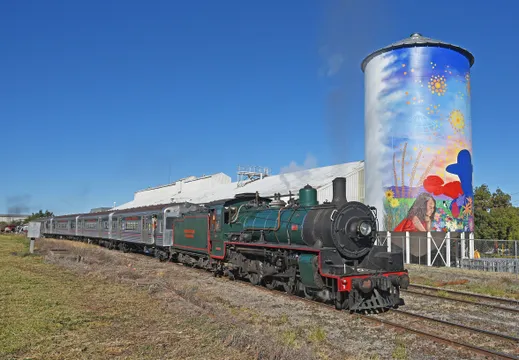
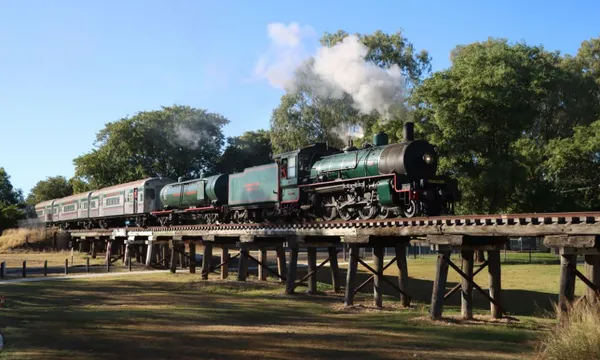
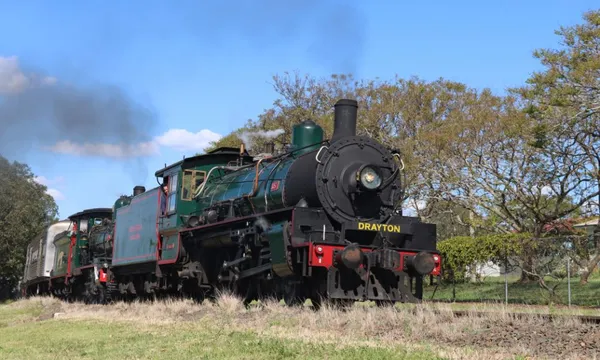
Warwick Jumpers and Jazz Steam Train - 9 Hours
Toowoomba
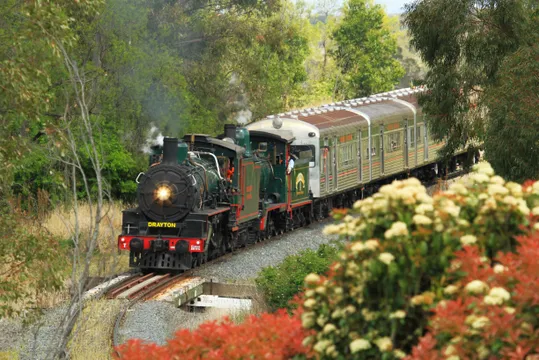
Toowoomba Heritage Steam Train Tour - 2.5 Hours


Toowoomba
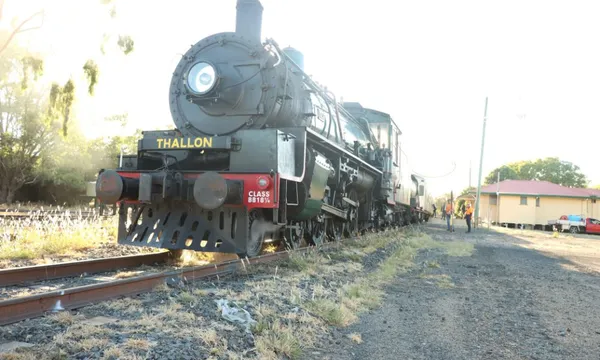
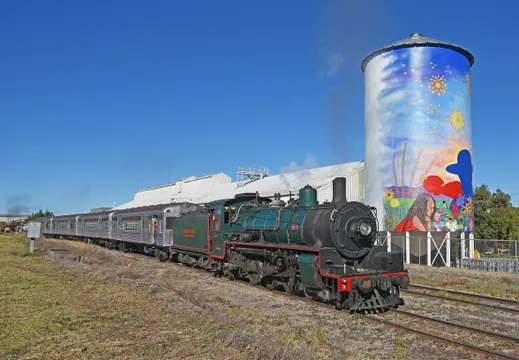
Pittsworth 150th Anniversary Steam Train - 9 Hours
Discover Tours
Day tours from Toowoomba head out across the farming country west of the Great Dividing Range, and most of them go by heritage rail. They range from a short ride and a rail museum visit to full-day return trips to a country town, and they run on set dates rather than daily. The rest of the region's things to do in Toowoomba fill the days in between.
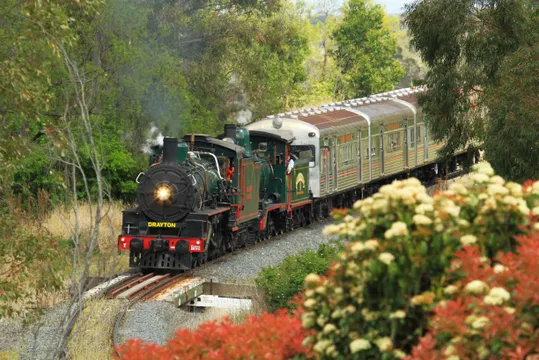
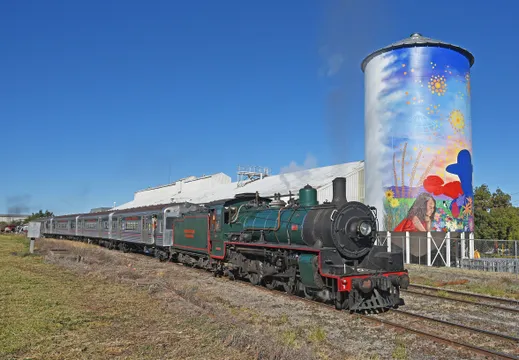
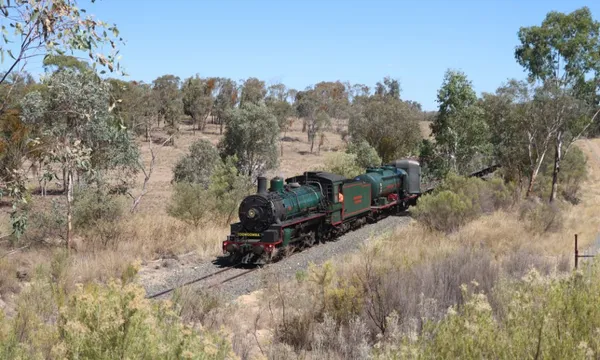
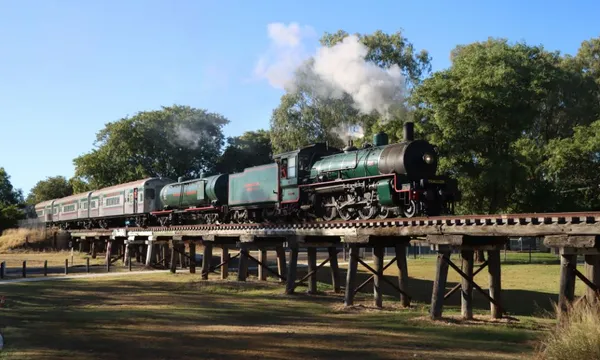
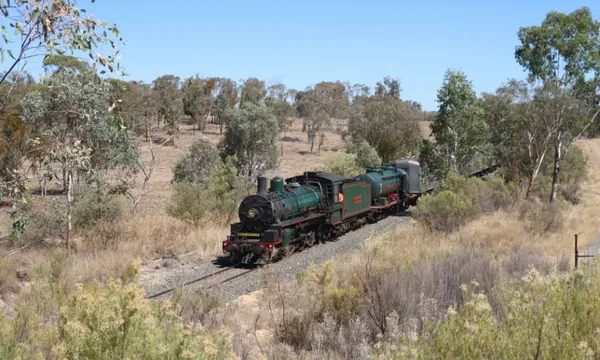
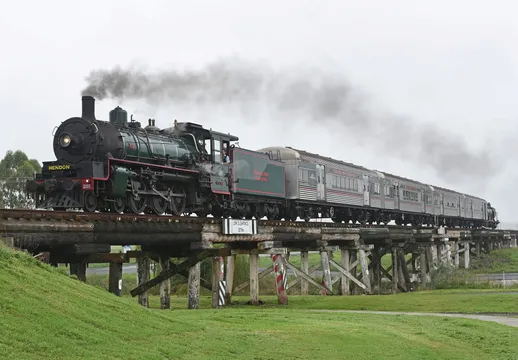
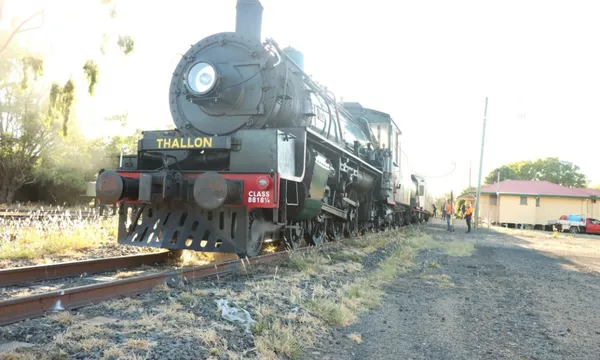
Riding a restored locomotive across the Darling Downs
A heritage rail tour puts you in restored carriages behind a steam locomotive, rolling through open farmland instead of watching it from a car window. Each tour follows a fixed route and timetable.
Short tours suit the city, and a heritage steam train tour from Toowoomba finishes with a guided visit to the rail museum. Longer trips swap the museum for a destination.
Country towns at the end of the line
Warwick hosts a Jumpers and Jazz Festival that fills the streets with yarn-bombed trees, live jazz and artisan markets, and a full-day steam train trip to Warwick leaves the driving to someone else.
Pittsworth is a country town first settled in the 1870s that grew from a small farming settlement into an important rural service centre, and a steam train return to Pittsworth has joined the town's own celebrations.
A few hours or a full-day trip?
A short heritage tour fits a few hours of a Toowoomba weekend. It pairs well with Queens Park, the Cobb+Co museum or lunch in the city, and it suits anyone who wants to try a steam train without giving up a whole day.
A full-day return trip is a day out in its own right. Most of the day is spent at the destination, so these trips suit festival days and anyone who wants to wander a country town at their own pace.
The Carnival of Flowers and spring on the range
Toowoomba's Carnival of Flowers is held each September, and Queens Park is its home. Spring Bluff station and its gardens, at the base of the Great Dividing Range, have steam train rides during the festival.
Winter suits the festival trips, with crisp air and open paddocks outside the carriage windows. Confirm the date before booking accommodation or a weekend away from Brisbane.
Other day trips from Toowoomba
Rail pairs well with the rest of the region. Jondaryan Woolshed, built in 1859 and described as Queensland's oldest operating woolshed, is a 30-minute drive west of Toowoomba, and Nolan's Block in Crows Nest, a restored 1916 emporium, is a 40-minute drive north. In the city, Toowoomba attractions include Queens Park, Picnic Point Lookout and the Queensland Museum Cobb+Co.
When rain stops a day outdoors, rainy day things to do in Toowoomba give you a plan B.
Getting to Toowoomba from Brisbane
Toowoomba is about a 2-hour drive west of the Brisbane CBD. A morning rail departure suits an overnight stay in the city better than a same-day return from Brisbane.
Frequently asked questions
What day tours can you do from Toowoomba?
Day tours from Toowoomba include heritage steam train trips across the Darling Downs, from a short tour with a rail museum visit to full-day return trips to country towns such as Warwick and Pittsworth.
Where do steam train tours from Toowoomba go?
Steam train tours from Toowoomba head to Darling Downs towns such as Warwick and Pittsworth, while the shortest tours stay around Toowoomba itself and its rail museum.
Do steam train tours from Toowoomba run every day?
Steam train tours from Toowoomba run on set dates rather than every day. Each trip is tied to a festival, a local celebration or a scheduled special, so check the dates on the tour you want before planning around it.
How long are day tours from Toowoomba by steam train?
Day tours from Toowoomba by steam train run from a 2.5-hour heritage tour up to 9-hour return trips to a country town.
Are steam train tours from Toowoomba suitable for kids?
Steam train tours from Toowoomba sell child and infant tickets, with family tickets on some trips. The age bands for each ticket type are shown on the tour you choose.
When is the Toowoomba Carnival of Flowers?
The Toowoomba Carnival of Flowers is held each September, with Queens Park as its home. Spring Bluff station also has steam train rides during the festival.
Is Toowoomba a day trip from Brisbane?
Toowoomba is about a 2-hour drive west of the Brisbane CBD, which makes it an easy weekend away. Staying overnight makes the rail timetable easier to fit.
Pick a date, pick a destination and book the day tour from Toowoomba that fits your weekend in the Garden City.

We acknowledge and pay respect to the Traditional Custodians of Country and their connections and continuous care for the skies, lands and waterways throughout Australia.