Cruises in Katherine Gorge
Katherine Gorge cruises on the Nitmiluk waterways, from breakfast on the water to sunset dinner. Local guides, rock art and sandstone cliffs.
Find Cruises
Top experiences
3 experiences found
All filters


Katherine
NitNit Dreaming Two Gorge Boat Tour - 2 Hours


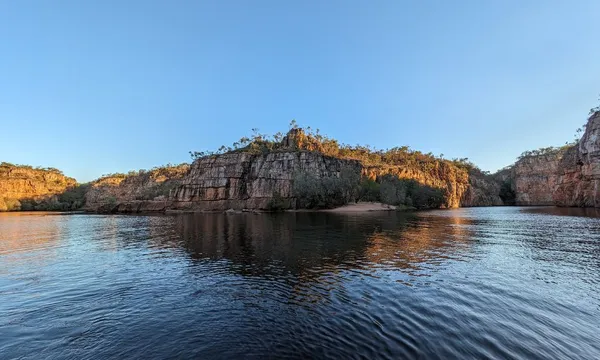
Katherine
Nabilil Dreaming Sunset Tour & Dinner Cruise - 3.5 Hours



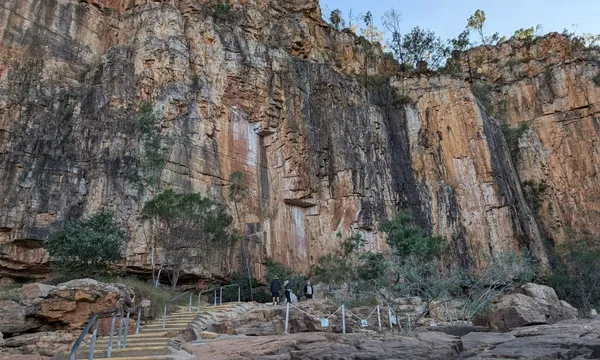


Katherine
Nitmiluk Gorge Rock Art Cruise with Breakfast - 2 Hours
Discover Cruises
Katherine Gorge cruises run through Nitmiluk National Park, 30km from Katherine town, where the Katherine River cuts between ancient sandstone walls. Departures span the day, from a 7am breakfast cruise to a sunset dinner, and the guided ones add commentary on Indigenous culture, rock art, birds and wildlife. This page covers how a gorge cruise works and which time of day suits which trip, with the wider things to do in Katherine one click away.
How a Nitmiluk Gorge cruise works
Nitmiluk (Katherine) Gorge is a chain of 13 sandstone gorges, and cruises cover the first two. A boat takes you through the first gorge, and you walk about 400m on stairs and uneven ground to reach the second. A 2-hour trip such as the NitNit Dreaming Two Gorge Boat Tour follows this pattern with a guide on board, and it is a popular choice for a first look at the gorge.
Boats leave from the boat ramp at Nitmiluk National Park. Operators ask guests to arrive early, with a 20-minute buffer on the daytime tours and half an hour for the sunset dinner cruise.
Morning, day and sunset cruise times
Morning cruises catch the sandstone in early light. A breakfast cruise leaves at 7am daily, and daytime boat tours depart through the morning and afternoon, including 9am, 11am and 2pm. Sunset cruises close the day, and they run longer than a daytime trip.
Gorge boat tours here depart daily all year round, so there is no off-season for getting on the water, although NT Parks warns that parks can close unexpectedly because of flooding or bushfire.
Dining cruises on Nitmiluk Gorge
Food comes on board at either end of the day. Breakfast is served on the return leg of the morning cruise, and the evening cruise includes a three-course dinner. The 3.5-hour Nabilil Dreaming Sunset Tour and Dinner Cruise adds a glass of sparkling wine, with drinks available to buy on board, plus drinking water and toilets. Both meal formats are grouped under Katherine dining cruises.
Rock art and culture on the water
Rock art runs through the guided cruises. The sunset cruise gives you the chance to see Jawoyn rock art dating back 8,000 to 10,000 years, and the Nitmiluk Gorge Rock Art Cruise with Breakfast visits Aboriginal rock art sites high on the gorge walls, with a local guide telling the stories behind them. The commentary covers unique birds and other native wildlife too.
Cruise, canoe or helicopter
A cruise is the guided, low-effort way onto the gorge. Paddlers can hire a canoe for a half-day, and a helicopter covers the whole chain of gorges from above, both of which are listed with the Katherine things to do rather than here. Guided tours on land, including Cutta Cutta Caves, are on the Katherine tours page.
What to bring on a gorge cruise
A hat, sunscreen, sunglasses, drinking water and comfortable shoes for the 400m walk between gorges are the basics. Evening cruises add insect repellent, and morning cruises suit protective clothing and a reusable water bottle. Cruises meet you at the site rather than collecting you from town.
Frequently asked questions
How long is a Katherine Gorge cruise?
A Katherine Gorge boat tour through the first two gorges is a 2-hour trip, and a breakfast rock art cruise is also a 2-hour trip. The sunset dinner cruise is a 3.5-hour trip.
What time do Katherine Gorge cruises leave?
The Rock Art Cruise with Breakfast leaves at 7am daily, and the NitNit Dreaming Two Gorge Boat Tour has departures including 9am, 11am and 2pm. The sunset dinner cruise is a 3.5-hour trip, and guests are asked to arrive half an hour before departure.
Do Katherine Gorge cruises include food?
Some do. The Nitmiluk Gorge Rock Art Cruise with Breakfast serves breakfast on the return cruise, and the Nabilil Dreaming Sunset Tour and Dinner Cruise includes a three-course dinner and a glass of sparkling wine.
Is there walking on a Katherine Gorge cruise?
Yes. The Nitmiluk Gorge boat tours include a walk of about 400m between the first and second gorges, over stairs and uneven surfaces.
How far is Katherine Gorge from Katherine?
The entrance to Nitmiluk (Katherine) Gorge is 30km from Katherine town on a sealed road, according to NT Parks.
Katherine Gorge cruises run from morning to sunset, with dining cruises for the trips that include a meal. For everything else around Nitmiluk, head back to Katherine things to do.

We acknowledge and pay respect to the Traditional Custodians of Country and their connections and continuous care for the skies, lands and waterways throughout Australia.