Darwin Harbour Cruises
Darwin Harbour cruises from Stokes Hill Wharf and Cullen Bay Marina: sunset cruises, lunch, 4-course dinner and sailing catamaran trips.
Find Cruises
View all darwin cruisesTop experiences
5 experiences found
All filters




Darwin
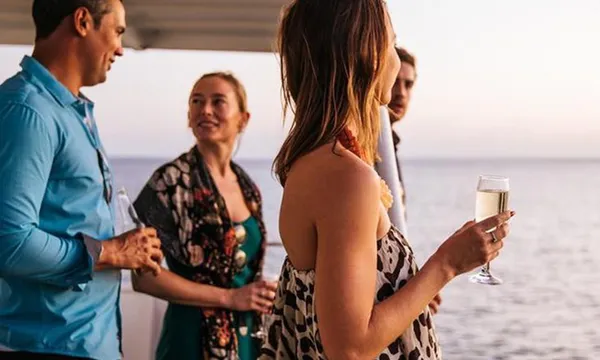
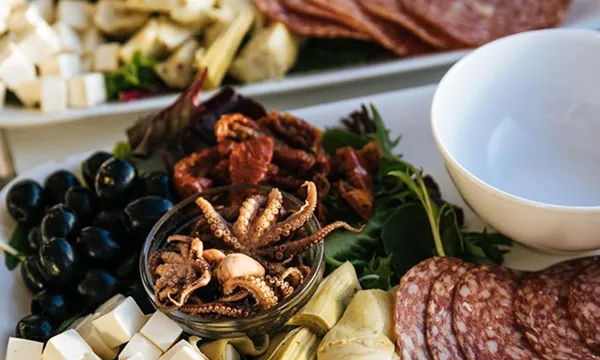
Darwin Harbour Sunset Cruise with Grazing Platter


Darwin
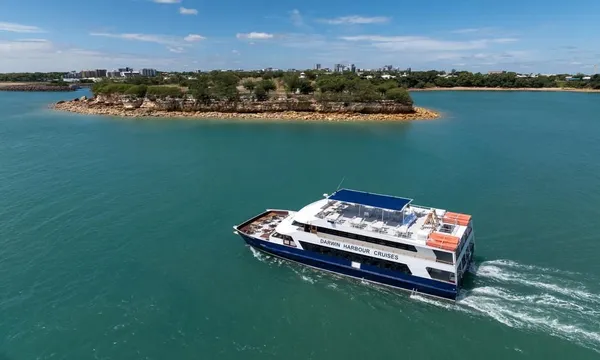
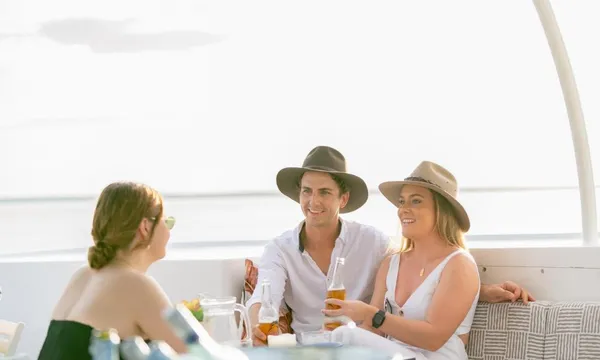
Darwin Harbour Cruise with Lunch - 90 Minutes



Darwin
Darwin Harbour 4 Course Dinner Cruise - 3 Hours


Darwin
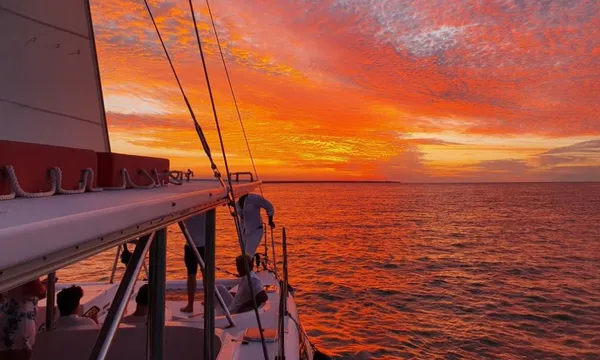
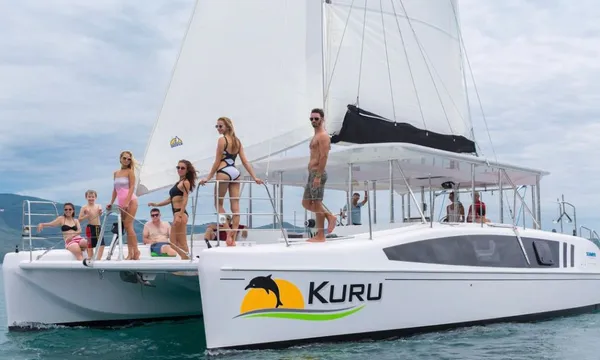
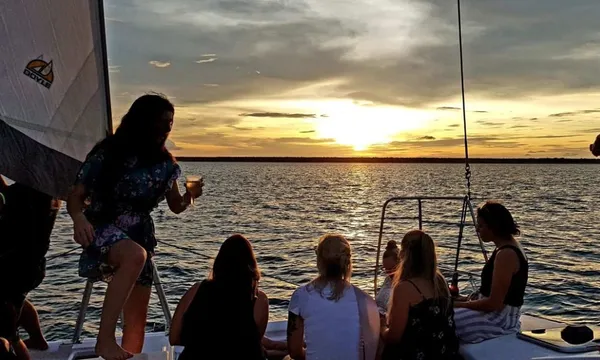
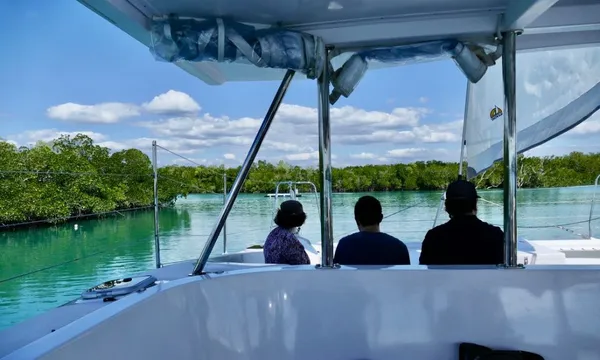
Darwin Sunset Sailing with BBQ Dinner & Drinks - 2.5 Hours

Darwin
Darwin Sunset Sailing with Drinks and Snacks - 2.5 Hours
Discover the best of Harbour Cruises
Darwin Harbour cruises leave from two spots, Stokes Hill Wharf in the city and Cullen Bay Marina, and cover a sunset cruise with a grazing platter, a lunch cruise, a 4-course dinner and sunset sailing on a catamaran. This page sorts them by departure point and time of day. Looking for crocodiles or gorges instead? See Darwin cruises.
Harbour cruises from Stokes Hill Wharf
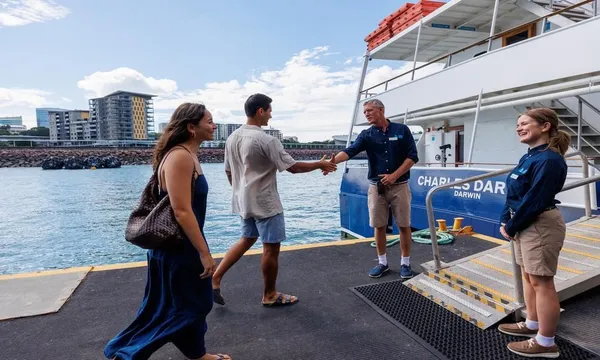
Dock 3 sits at the far end of Stokes Hill Wharf, about 500 metres from the Waterfront. Sunset, lunch and dinner cruises run from there.
Sunset cruise with a grazing platter
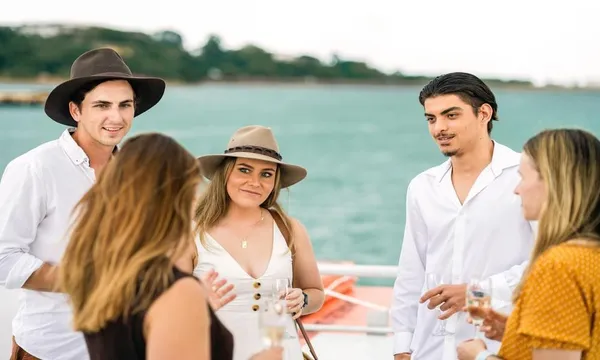
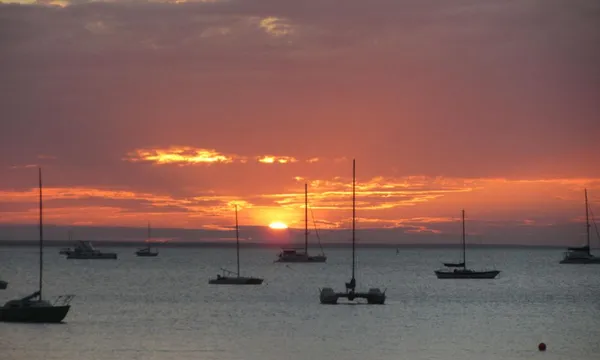
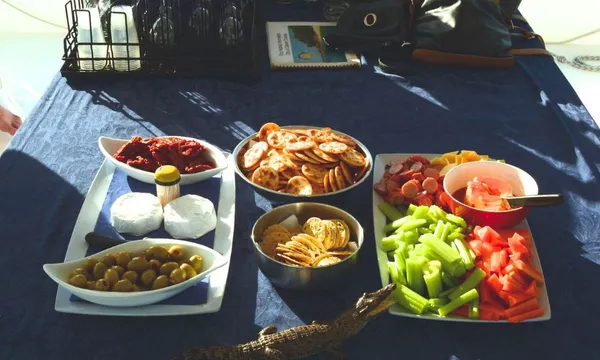
The Darwin Harbour sunset cruise with grazing platter is a popular choice for golden hour: a 2-hour sailing with a gourmet platter, locally made mango ice cream and outdoor Sun Deck seating. Check-in is at Dock 3 at 5.30pm, boarding is at 5.45pm and the cruise returns at 8pm. Smart casual dress is recommended, and drinks are available to buy on board.
Lunch cruise on the harbour
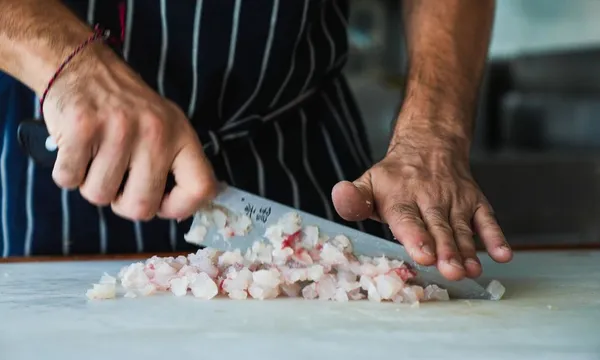
The 90-minute harbour cruise with lunch departs at 12.30pm and returns at 2pm, with a Territorian-style grazing platter, expert guides and an air-conditioned vessel. Bring a hat, camera and light jacket.
4-course dinner cruise
The Darwin Harbour 4-course dinner cruise on Cape Adieu is a 3-hour sunset sailing, leaving at 5pm and returning at 8pm, seven days a week. The menu uses fresh seafood, quality meats and regional ingredients, and suits a special night out.
Sunset sailing from Cullen Bay Marina
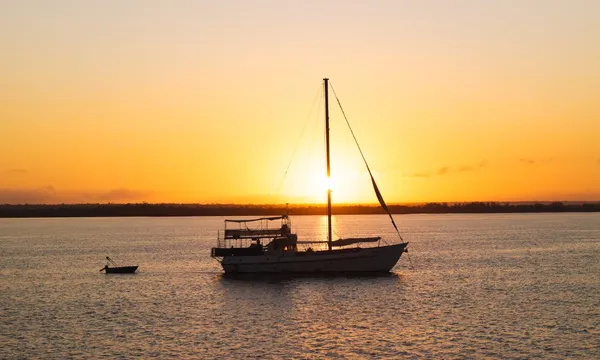
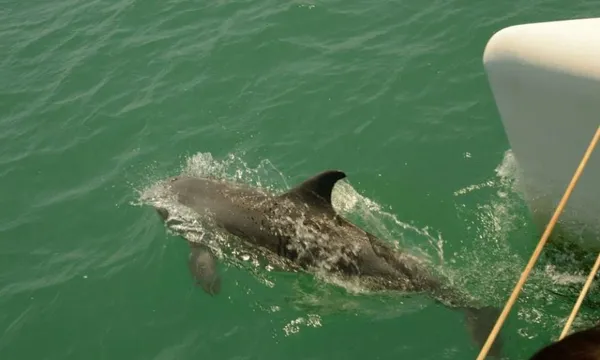
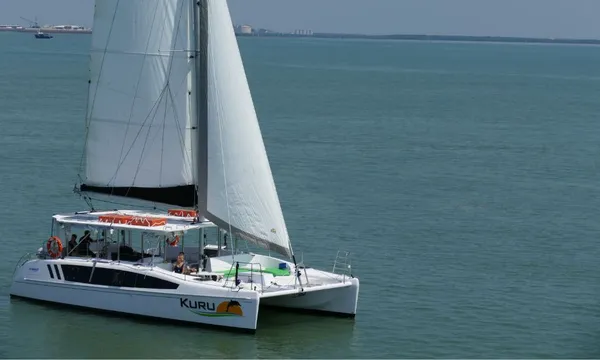
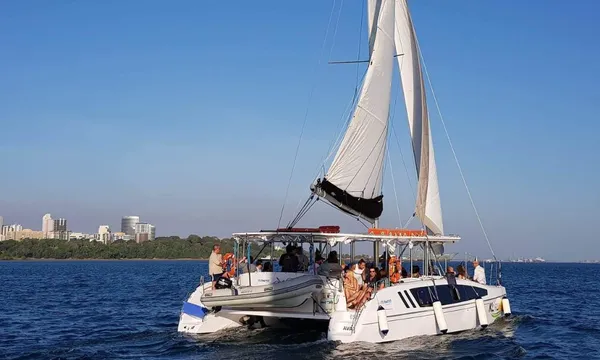
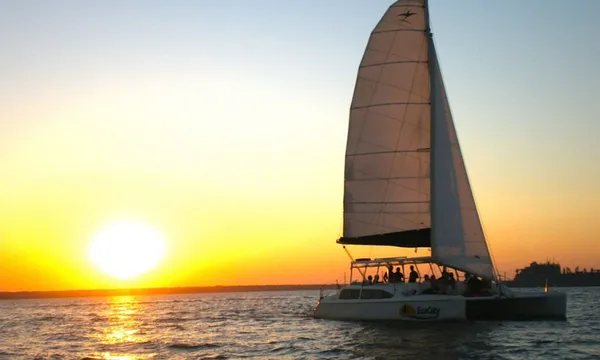
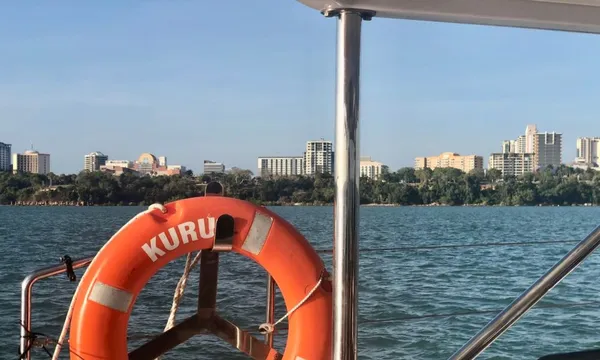
Cullen Bay Marina is the departure point for the 2.5-hour sailing catamaran Kuru, which leaves at 4.30pm and returns around 7pm. With the engines powered down for most of the trip, you glide across the harbour while the crew tells stories of early Darwin and points out dolphins, dugongs and seabirds, and a strip map marks the highlights.
Choose between sunset sailing with drinks and snacks, which includes an antipasto platter, bottled wine and a mid-strength beer, and sunset sailing with a BBQ dinner and drinks, which adds a barbecue with a menu that changes between the cooler and warmer months. There's no bar on board and BYO is welcome. Sailings run on set days that differ between summer and winter, midweek trips need a minimum of 6 people, and all are weather dependent.
Which Darwin Harbour cruise suits you
Pick the sunset cruise from Dock 3 for a relaxed evening on the water, the sailing catamaran for a quieter feel under way, and the 4-course cruise for a long dinner. If food is the main event, dinner and lunch cruises in Darwin are grouped together, and jumping crocodile cruises leave the harbour for the Adelaide River. Cruising in other cities? See harbour cruises across Australia.
Frequently asked questions
Where do Darwin Harbour cruises depart from?
Darwin Harbour cruises depart from Dock 3 at Stokes Hill Wharf in Darwin city for the sunset, lunch and 4-course dinner cruises, and from Cullen Bay Marina for the sunset sailing cruises on the catamaran Kuru.
How long are Darwin Harbour cruises?
A Darwin Harbour cruise is a 90-minute lunch cruise, a 2-hour sunset cruise, a 2.5-hour sunset sailing trip or a 3-hour dinner cruise, depending on which one you book.
What should I wear on a Darwin Harbour sunset cruise?
Smart casual dress is recommended on the Darwin Harbour sunset cruise with a grazing platter, and casual, relaxed clothing suits the sailing catamaran. Bring a hat, sunglasses and sunscreen for the 4-course dinner cruise.
Can you bring your own drinks on a Darwin Harbour cruise?
BYO is welcome on the Kuru sunset sailing cruises, where there is no bar on board and wine and beer are included in the ticket. On the sunset cruise with a grazing platter, drinks are available to buy on board.
Do Darwin Harbour sunset sailing cruises run every day?
No. The sunset sailing cruises on Kuru run on set days that differ between summer and winter, and midweek sailings need a minimum of 6 people. Trips are weather dependent, and the operator contacts you if a cruise is cancelled.
Are Darwin Harbour cruises suitable for kids?
Yes. The sunset cruise and the lunch cruise sell youth tickets for ages 4 to 17 and infant tickets for ages 0 to 3, and the sailing cruises sell tickets for children aged 5 to 17.
Local tip: check-in for the 2-hour sunset cruise closes at Dock 3 at 5.50pm, and later arrivals are considered a no-show.
Choose a Darwin Harbour cruise above, from a Dock 3 sunset to a catamaran sailing out of Cullen Bay, and book it online.

We acknowledge and pay respect to the Traditional Custodians of Country and their connections and continuous care for the skies, lands and waterways throughout Australia.